Black Blue: A Versatile Brush Font for Creative Web Design
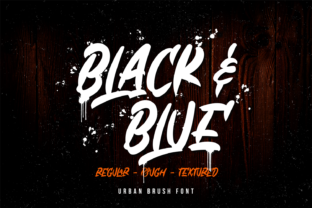
As a web designer, I'm always on the lookout for fonts that can add a unique touch to my projects. Recently, I stumbled upon Black Blue, a brush font with three distinct styles: regular, rough, and textured. This premium font has quickly become a favorite in my toolkit, and I'm excited to share how it performs in various digital design scenarios.
Visual Personality and Style of Black Blue
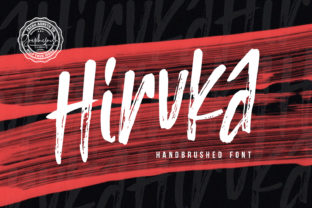
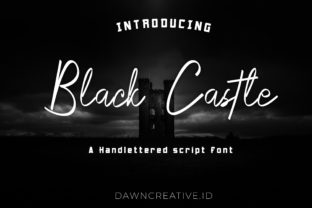
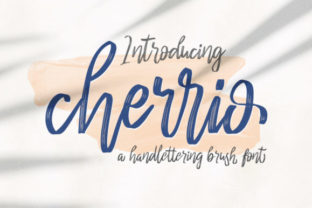
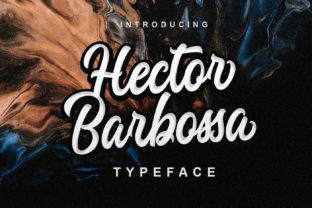
Black Blue is a script font with a hand-painted, organic feel. The regular style is smooth and elegant, while the rough and textured styles add a more rugged, authentic look. This versatility makes it perfect for a wide range of web design projects, from creative portfolios to boutique online stores.
The font's personality is both modern and approachable, making it ideal for brands that want to convey a personal, artisanal touch. Whether you're designing a hero section, a landing page, or a call-to-action button, Black Blue can bring a fresh, eye-catching element to your layout.
Testing Black Blue in Real Web Layouts
I recently used Black Blue in a redesign of a coaching website. The client wanted a site that felt welcoming and professional, and this font fit the bill perfectly. Here’s how it performed in different sections:
- Hero Section: In the hero section, I used the regular style for the main headline. The smooth, flowing lines of the font made the text stand out beautifully against a background image. The result was a visually striking and inviting opening to the site.
- Landing Page Headline: For the landing page, I opted for the rough style. The textured, hand-painted look added a unique, human touch, which aligned well with the coach's personal brand. It made the headline more memorable and engaging.
- Call-to-Action Buttons: I also experimented with using the textured style for CTA buttons. The slight imperfections in the font gave the buttons a more organic, less corporate feel, which resonated well with the target audience.
Readability and Responsive Design
One of the key considerations in web design is readability, especially on mobile devices. Black Blue holds up well in larger sizes, such as headlines and titles. However, for smaller text and body copy, it's best to pair it with a clean, legible sans serif font. This combination ensures that the overall design remains accessible and user-friendly.
When testing the font on mobile screens, I found that the regular and rough styles worked well, but the textured style could be a bit too busy for smaller screens. For responsive layouts, it’s important to use media queries to adjust the font size and style based on the device width. This ensures that the text remains readable and visually appealing across all devices.
Font Pairing and Brand Consistency
To create a balanced and cohesive design, I often pair Black Blue with a simple sans serif font like Roboto or Open Sans. This combination allows the script font to shine in key areas while maintaining a clean, professional look for the rest of the content.
For a more editorial or sophisticated feel, you can also pair Black Blue with a classic serif font like Merriweather. This pairing works well for blog headers, article titles, and other content-driven sections of a website.
Suitable and Unsuitable Web Uses
Black Blue is excellent for:
- Hero titles and section headings
- Call-to-action areas and buttons
- Short phrases and decorative accents
- Logo text and branding elements
However, it may not be the best choice for:
- Long body copy, where readability is crucial
- Small navigation text, which needs to be clear and legible
- Dense dashboard layouts, where clarity and simplicity are essential
Final Considerations
Before using Black Blue in your web projects, make sure to check the included styles, file formats, and multilingual support. Also, verify the commercial font licensing to ensure it covers your specific use case, whether it’s for a client project, an online store, or a digital template.
In summary, Black Blue is a versatile and visually appealing brush font that can add a unique, personal touch to your web designs. With careful consideration of its strengths and limitations, it can enhance the visual hierarchy, brand consistency, and overall user engagement of your digital projects.